
Chronic Limb-
Threatening
Ischemia (CLTI)
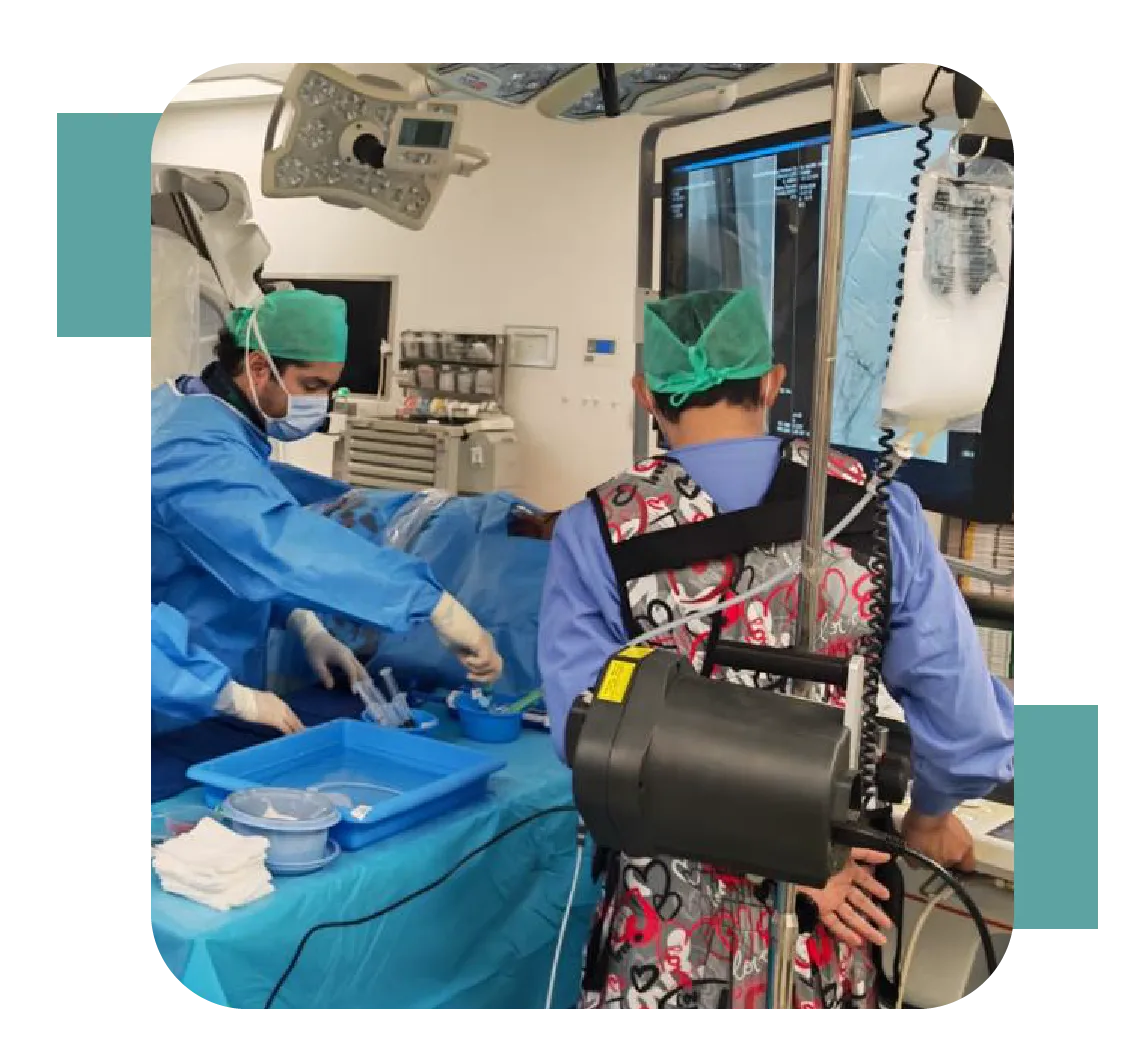
Chronic Limb-
Threatening
Ischemia (CLTI)
can exhibit viability for limb salvage
through timely revascularization procedures.
with CLTI globally.
proper vascular evaluation ends up
with an amputation.
the world due to advanced
vascular complications.
can exhibit viability for limb salvage
through timely revascularization procedures.
with CLTI globally.
proper vascular evaluation ends up
with an amputation.
the world due to advanced
vascular complications.
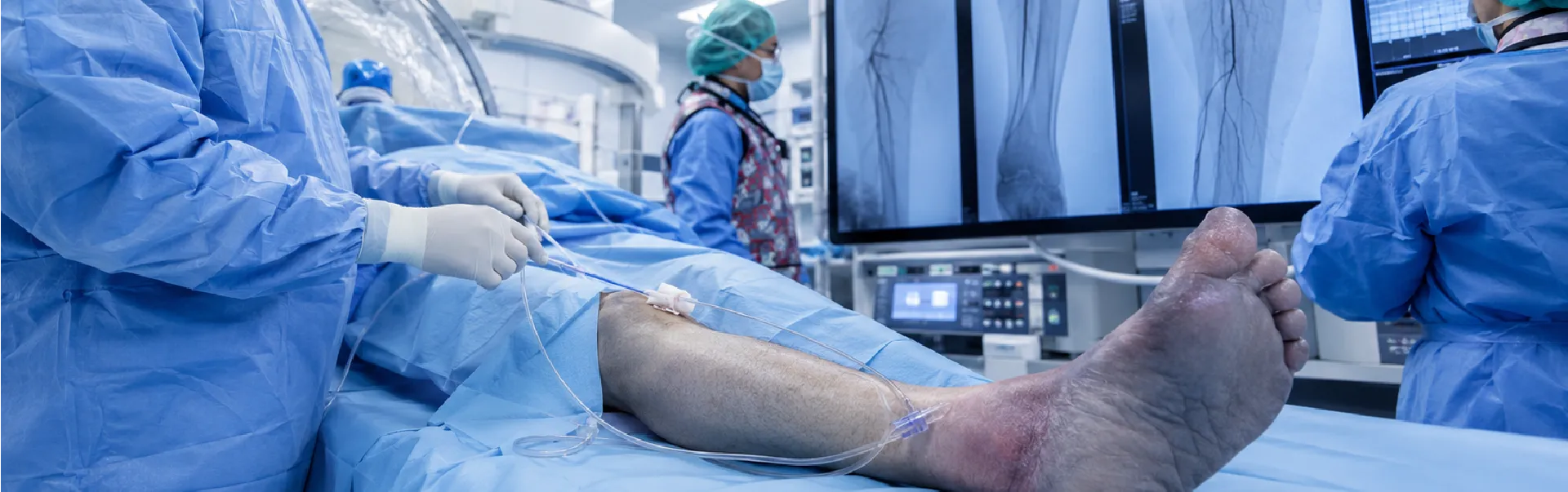
What exactly is CLTI?
CLTI (Chronic Limb-Threatening Ischemia) develops when the arteries in the legs suffer blockages
so severe that they impede blood circulation to the feet and toes.
Persistent pain at rest: Continuous and intense discomfort in the foot or leg, which usually worsens at night or when lying down.
Non-healing ulcers: Wounds or sores that show no improvement after weeks of conventional treatment.
Color changes and gangrene: Areas of pale or bluish skin, or blackened tissue (necrosis) due to a lack of blood supply.
Chronic Ischemia is not a minor circulatory problem; it is a vascular emergency
that requires urgent assessment via angiography.
Why Does CLTI Develop?
Advanced Atherosclerosis: Progressive deposits of fat and calcium in the arterial walls that narrow or completely block the passage of blood over the years.
Aggravating Risk Factors
- Diabetes: Increases the risk of peripheral vascular damage by 4 to 5 times.
- Smoking: Drastically accelerates the hardening and blockage of arteries.
- High Blood Pressure and High Cholesterol: Promote the deterioration of the vascular endothelium.
- Chronic Kidney Failure: Promotes the calcification of distal arteries.
- Age Over 65 Yea
How we can
help?
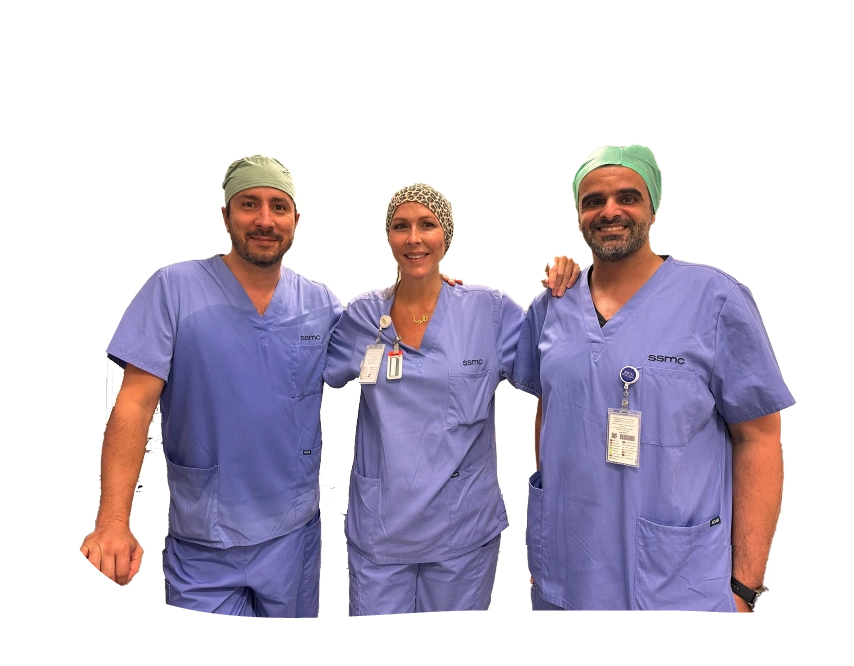
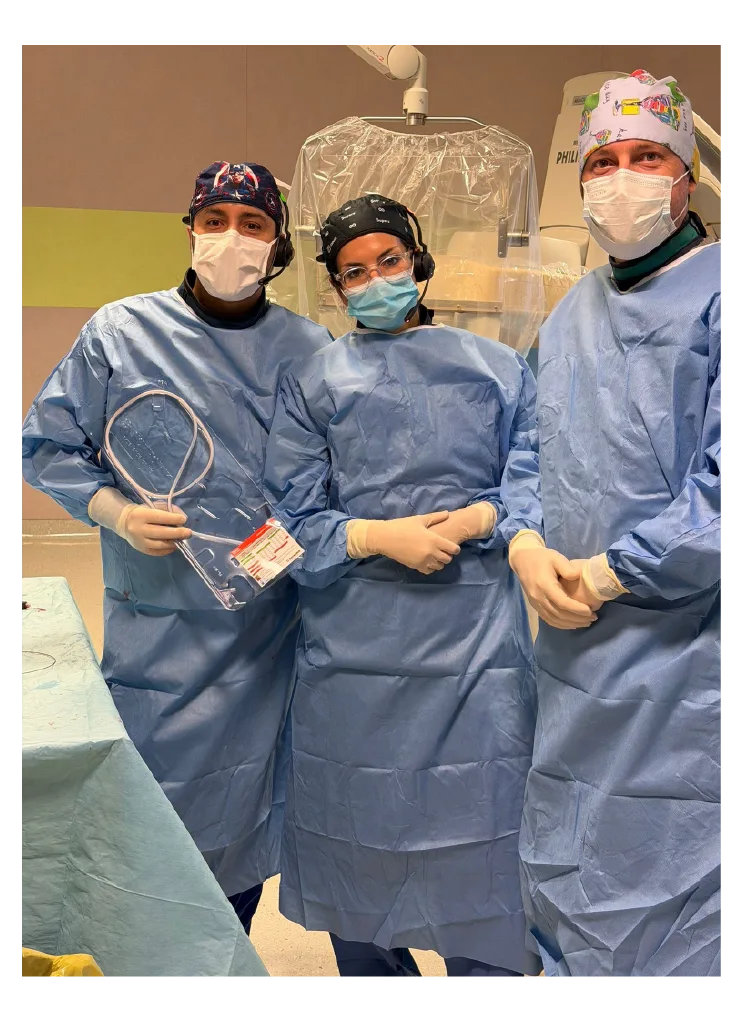
Dr. Mariano Palena, an internationally recognized interventional radiologist, collaborates with various vascular centers to offer evaluations and endovascular interventions aimed at restoring blood circulation.
Our
Mission
is Clear:
- High-Complexity Case Review: We evaluate patients who have been advised to undergo amputation to determine if there is recanalizable vascular anatomy.
- Evaluation of Minimally Invasive Techniques: Options such as angioplasty, atherectomy, or below-the-knee and pedal recanalization from inside the arteries (percutaneous puncture) are analyzed.
- Personalized Therapeutic Plans: Every limb presents a unique arterial map; the treatment is specifically designed after analyzing the angiography.
- Ethical Standards and Transparency: If after the diagnostic evaluation the case does not present reasonable technical viability, the patient and their family will be informed with complete honesty.
Your Next Step Toward Limb Preservation
If you or someone close to you experiences symptoms of CLTI, time is of the essence. Every day without adequate blood flow increases the risk of irreversible damage.
Contact us
Lorem ipsum dolor sit amet, consectetuer adipiscing elit, sed diam nonummy nibh euismod tincidunt ut laoreet dolore magna aliquam erat volutpat. Ut wisi enim
Frequently asked questions
Not necessarily. With timely diagnosis and technically viable endovascular revascularization, most cases can restore enough blood flow to heal the tissue and avoid major amputation.
Chronic Ischemia is an emergency. If there is wet gangrene or active infection, the evaluation must be done within days. If it involves dry tissue or rest pain, it should be assessed within a few weeks to prevent irreversible tissue loss.
In many cases, yes. By being performed through a small puncture under local anesthesia or sedation, it reduces surgical risks and offers a hospital recovery time of 24 to 48 hours. However, the choice of technique depends on the angiography findings.
Most patients return to their daily activities within 1 to 2 weeks, unlike the 1 to 2 months typically required for traditional open surgery.
Strict glucose control, complete cessation of smoking, keeping blood pressure and cholesterol in optimal ranges, and undergoing regular arterial check-ups are fundamental habits.